


Sabato 15 novembre 2025 ore 20:45
Duomo di Treviso
Il Messiah
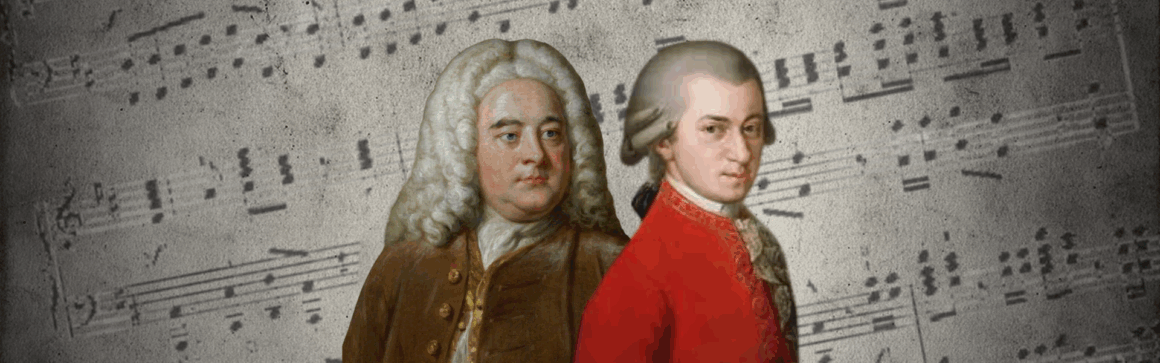
Musica di G.F. Händel (trascr. Di W.A. Mozart)
Paola Molinari, soprano
Sharon Carty, contralto
Raffaele Feo, tenore
Marco Saccardin, basso
Accademia d’Archi Arrigoni
Coro Giovanile Italiano
Filippo Maria Bressan, maestro concertatore e direttore d’orchestra
Programma:
Messiah HWV 56 Oratorio in tre parti per soli, coro e orchestra
PARTE PRIMA
Sinfonia
Accompagnato (tenore) Comfort ye my people
Aria (tenore) Ev’ry valley shall be exalted
Coro And the glory of the Lord
Accompagnato (basso) Thus saith the Lord
Aria (contralto) But who may abide the day of his coming
Coro And he shall purify
Recitativo (contralto) Behold, a virgin shall conceive
Aria e Coro O thou that tallest good tidings to Zion
Accompagnato (basso) For behold, darkness shall cover the earth
Aria (basso) The people that walked in darkness
Coro For unto us a child is born
Pifa (sinfonia pastorale)
Recitativo (soprano) There were shepherds abiding in the fields
Accompagnato (soprano) And lo, the angel of the Lord came upon them
Recitativo (soprano) And the angel said unto them
Accompagnato (soprano) And suddenly there was an angel
Coro Glory to God
Aria (soprano) Rejoice greatly, O daughter of Zion (4/4 version)
Recitativo (contralto) Then shall the eyes of the blind
Duetto (soprano e contralto) He shall feed his flock
Coro His yoke is easy, and his burther light
PARTE SECONDA
Coro Behold the Lamb of God
Aria (contralto) He was despised
Coro Surely he hath borne our griefs
Coro And with his stripes we are healed
Coro All we like sheep have gone astray
Accompagnato (tenore) All they that see him laugh him to scorn
Coro He trusted in God
Accompagnato (tenore) Thy rebuke hath broken his heart
Arioso (tenore) Behold, and see if there be any sorrow
Accompagnato (tenore) He was cut off out of the land of the living
Aria (tenore) But thou didst not leave his soul in hell
Coro Lift up your heads, O ye gates
Recitativo (tenore) Unto which of the angels said he at any time
Coro Let all the angels of God worship him
Coro The Lord gave the word
Aria (soprano) How beautiful are the feet
Coro Their sound is gone out
Aria (basso) Why do the nations so furiously rage together
Coro Let us break their bonds asunder
Recitativo (tenore) He that dwelleth in heaven
Aria (tenore) Thou shalt break them
Coro Hallelujah
PARTE TERZA
Aria (soprano) I know that my redeemer liveth
Coro Since by man came death
Accompagnato (basso) Behold I tell you a mystery
Aria (basso) The trumpet shall sound (selezione)
Recitativo (contralto) Then shall be brought to pass
Duetto (contralto e tenore) O death, where is thy sting
Coro Thanks be to God
Aria (soprano) If God be for us
Coro Worthy is the lamb that was slain
Amen
Nel marzo del 1789, Wolfgang Amadeus Mozart si dedicò alla rielaborazione di un’opera di Georg Friedrich Händel, il Messiah. Il compositore viennese aveva già affrontato un’operazione simile con Acis and Galatea e lo avrebbe fatto in futuro con altre opere, come ad esempio l’Ode di Santa Cecilia, anch’essa di Händel, eseguita nell’edizione 2024 del nostro festival.
L’incarico fu affidato a Mozart da Gottfried van Swieten, un medico e musicologo la cui profonda ammirazione per la musica di Händel era pari al desiderio di renderla nuovamente attuale. Van Swieten riteneva che solo un genio come Mozart potesse “vestire” la musica di Händel con un gusto moderno, pur preservandone l’eleganza e la grandezza. Il successo fu tale che van Swieten stesso, in una lettera del 21 marzo 1789, espresse la sua grande soddisfazione, riconoscendo a Mozart di aver compreso appieno l’essenza della musica di Händel.
La rielaborazione di Mozart non fu una semplice trascrizione. Il compositore apportò delle modifiche sostanziali, innanzitutto rivisitò la struttura eliminando alcuni passaggi dell’opera originale e ridisegnando il rapporto tra solisti e coro, creando un dialogo più fluido e continuo. Per dare al brano un suono più ricco e contemporaneo, ampliò l’organico orchestrale aggiungendo strumenti che non facevano parte dell’organico originale di Händel, come clarinetti, trombe, corni, fagotti e flauti, oltre a un secondo violino e una viola.
Oltre al suo valore musicale, questa scelta di trascrivere l’oratorio händeliano per eccellenza aveva un significato profondo. Van Swieten infatti, pioniere della musicoterapia, vedeva nel Messiah un’opera che univa il potere terapeutico della musica al suo messaggio salvifico.